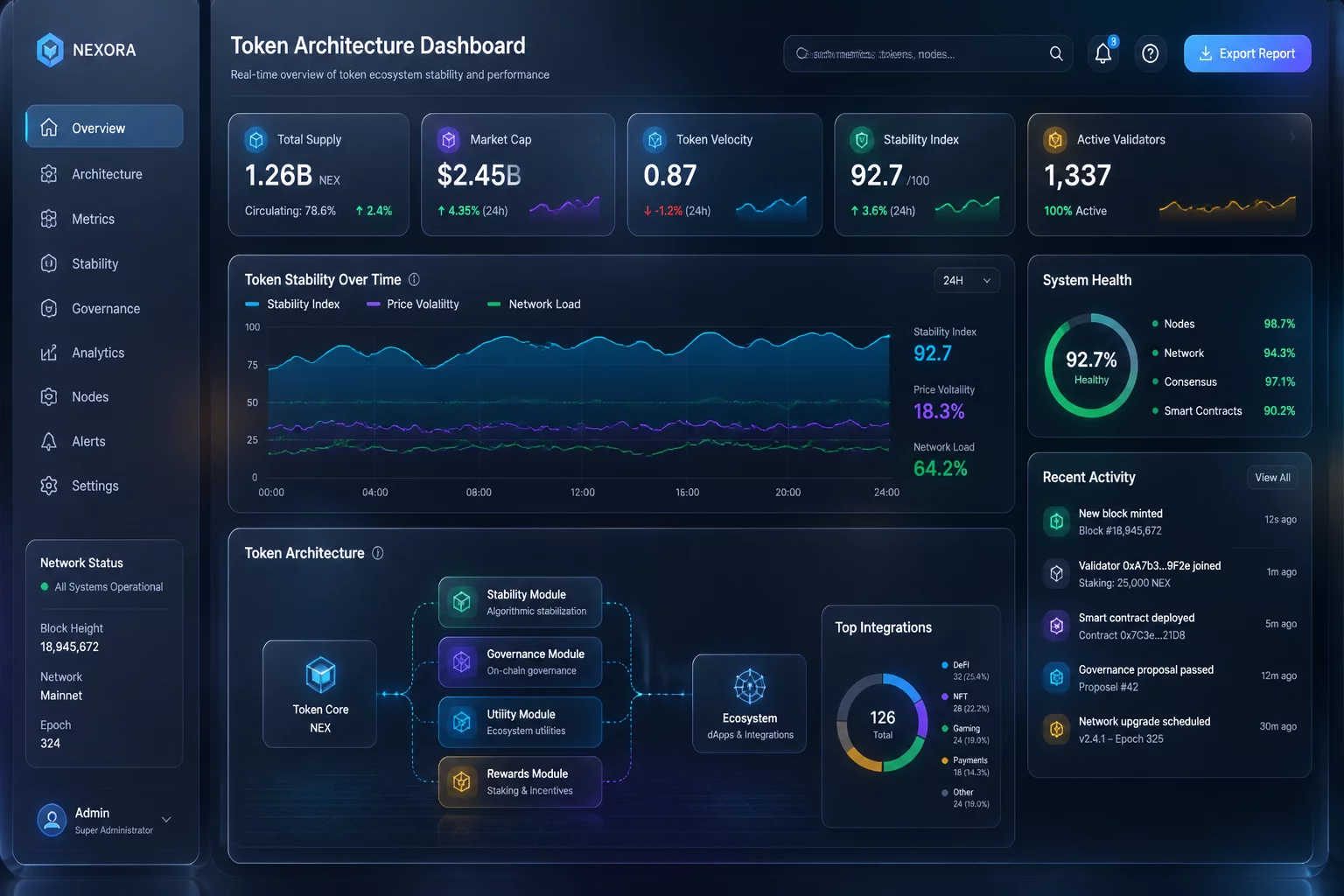
Post-Config Structural Shifts in Variable Hierarchies
Following recent Figma Config feature releases, design systems operations encountered both substantial opportunity and immediate architectural adjustments. The native support for scoped variables, nested code syntaxes, and multidimensional mode switching restructured how foundational tokens live directly on design canvases. Our review examined how modern documentation platforms, specifically Zeroheight, adapt to these changes without requiring painful translation bridges.
Earlier workflows frequently relied on static documentation tables or disjointed community plugins that lagged behind actual library releases. By establishing direct API token ingestion into Zeroheight living styleguides, engineering teams consume reliable JSON packages while product designers preserve intuitive semantic groupings in Figma. This automated link prevents style drift and ensures breaking structural updates surface during staging validations.
“A token architecture only succeeds when the documentation platform reflects identical schema constraints as the production compiler.”
Variable Pipeline & Documentation Specifications
| Parameter | Specification / Architecture State |
|---|---|
| Schema Standard | DTCG (Design Tokens Community Group) Format v2.4 |
| Mode Support | Quad-mode Matrix (Light, Dark, High-Contrast, Compact) |
| Sync Cadence | Webhook-driven Real-time Ingestion via GitHub Actions |
| Documentation Layer | Zeroheight Automated Live Token Tables & Code Previews |
Pipeline Execution & Zeroheight Bridge Implementation
Connecting Figma variables with Zeroheight documentation portals requires establishing three distinct transformation checkpoints. Each checkpoint ensures that tokens preserve their mathematical intent, alias references, and responsive constraints across heterogeneous consumer environments:
- Semantic Aliasing Resolution: Resolving primitive color and dimension values into semantic intents before compiling downstream stylesheets.
- Mode Context Propagation: Distributing multi-theme collection sets to Zeroheight so documentation tabs render real-time interactive previews in every supported color mode.
- Automated Linting & Drift Detection: Running automated diff algorithms against Figma REST endpoints to flag detached variables or unlinked legacy styles before publication.
With these continuous pipelines operational, team handoff friction dropped noticeably across product units. Zeroheight pages now render dynamic token swatches and interactive code snippets directly from published Figma library releases, ensuring engineering squads reference verified tokens rather than static markdown tables.
Strategic Governance & Future Architectural Takeaways
Treating design documentation as a downstream artifact of versioned token data transformed cross-functional governance. Instead of treating Zeroheight as an isolated design showcase, enterprise organizations now utilize it as a verifiable contract between Figma variables and production UI component registries. Maintaining strict naming conventions, mode discipline, and automated schema checks guarantees sustainable scale as autonomous AI layout generators and code synthesizers increasingly consume these token feeds.
Explore Systematic Token Infrastructure
Review our detailed technical papers examining clean design token architectures, DTCG standardization, and non-destructive source editing workflows.